
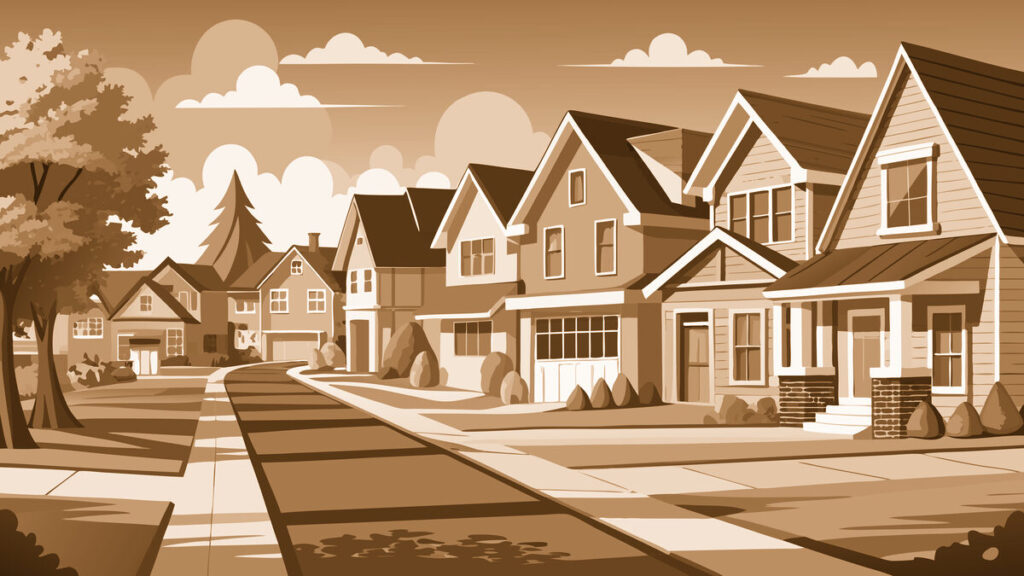
Nestled in the northern end of Middletown, CT, the Country Club neighborhood is a place where stories linger over old stone walls and memories blossom each spring as gardens awaken along peaceful streets. This quiet yet vibrant community, draped in leafy canopies and echoes of laughter from block parties past, is far more than its picturesque name suggests. Welcome to the Country Club neighborhood—a hidden gem whose charm is rooted in history, tradition, and a genuine sense of belonging.
Origins: How the Country Club Neighborhood Got Its Name
It’s impossible to talk about the Country Club neighborhood without mentioning its namesake—the classic Middletown Golf Club, founded in the early 20th century. Long before the first drive echoed across what’s now known as Country Club Drive, this area was a serene tapestry of farmland and rolling woodlands, dotted with the occasional Victorian farmhouse.
Around 1915, as Middletown grew northward, local civic leaders and business owners sought to create a private recreational haven. By 1921, the golf course was officially established on what would later become Westfield Street (Route 66) and the surrounding greens. The area soon attracted homes for club members and their families, and “Country Club” quickly became synonymous with gracious living, wide lawns, and a welcoming spirit.
Key Historical Milestones
Looking back, several milestones have shaped the Country Club neighborhood:
- 1920s—Founding Decade: The area saw the construction of its first stately homes along Country Club Road and adjacent streets like Pinehurst Lane and Silver Ridge. Many of these houses, with their Colonial Revival and Tudor-style touches, still stand as elegant reminders of this era.
- 1950s—Suburban Expansion: Postwar prosperity brought a wave of new families and the creation of winding residential roads, including Pebblebrook Drive and Westfield Terrace. This expansion marked the transition from a “golf enclave” to a vibrant suburban neighborhood where kids rode bikes to Moody Elementary School.
- 1970s—Community Building: The neighborhood association formed, nurturing the sense of camaraderie that continues today—replete with block parties, neighborhood picnics, and community yard sales.
- 21st Century—Preservation and Progress: In recent decades, efforts by residents have helped conserve the neighborhood’s natural beauty while quietly welcoming new amenities and a diverse community.
Landmarks and Notable Institutions
Despite its residential feel, the Country Club neighborhood boasts several landmarks both old and new:
- Lyman Orchards Golf Course (formerly Middletown Golf Club): Though the club has evolved and changed hands over the years, the spirit of the old course remains, with lush fairways still drawing golfers from across the region.
- Country Club Road: The main thoroughfare winding through the neighborhood, lined with mature maples and a parade of unique homes, ties residents to the area’s history.
- Wadsworth Mansion at Long Hill Estate: Just north of the neighborhood, this grand Gilded Age estate is a favorite venue for community events, weddings, and summer concerts—a romantic relic of the area’s sophisticated past.
- Smith Park: With open fields and shady walking trails, Smith Park serves as a community anchor. Weekend afternoons find families picnicking and youth soccer games filling the air with energy.
- Moody Elementary School: Generations of Country Club kids have attended this neighborhood school, creating ties that transcend the classroom and build lifelong friendships.
The Streets Tell the Story
Every street in the Country Club neighborhood has a tale to tell. On Pebblebrook Drive, neighbors still wave from porch swings and lush gardens stand as a testament to decades of careful tending. Pinehurst Lane echoes with the joyful noise of Halloween parades and summertime ice cream socials—a tradition enthusiastically kept alive each year.
South of Country Club Road, you’ll find Silver Ridge, where original 1930s bungalows sit shoulder to shoulder with more modern ranches, reflecting the neighborhood’s careful balance between honoring the past and embracing the present.
Evolution: From Then to Now
While time has brought change, much remains as it always has: sunsets over tidy backyards, the hush of snowfall blanketing quiet streets, and the annual anticipation of spring blooms along every fence and front porch. New families bring fresh energy and diversity to the neighborhood, but the core values hold steady—a strong sense of community, an appreciation for green spaces, and a pride in both heritage and progress.
- Preservation: Residents continue to advocate for historical zoning and tree stewardship, ensuring that the legacy of gracious streetscapes endures for generations.
- Community Spirit: Annual events—like the Country Club Block Party, Halloween Parade, and spring clean-up—underscore the neighborhood’s lively traditions.
- Quiet Progress: With thoughtful updates to homes and infrastructure, the neighborhood has adapted gracefully to changing times, always prioritizing livability and neighborliness.
What Makes Country Club Special
Ask any resident and they’ll tell you it’s the little things: the clatter of golf balls on a summer morning, the laughter drifting from Smith Park, the snowman armies that appear after every winter storm. It’s the holiday lights that twinkle down every street, the impromptu lemonade stands on June afternoons, the legacy of civic pride and neighborly kindness.
In essence, the Country Club neighborhood stands as a bridge—between Middletown’s rural roots and its suburban future, between storied histories and new beginnings. To live here is to be part of a living heritage: one built on the foundations of tradition, beauty, and enduring community spirit.
To this day, the Country Club neighborhood stays true to its name—offering not just a place to live, but a place to belong.